Can you squeak up, please?
How an open database of rodent vocalisations can help scientists to better understand their lab animals – and their results
By Emma N Cahill, Elodie Ey and Nicolas Torquet 4 Sept 2026
In
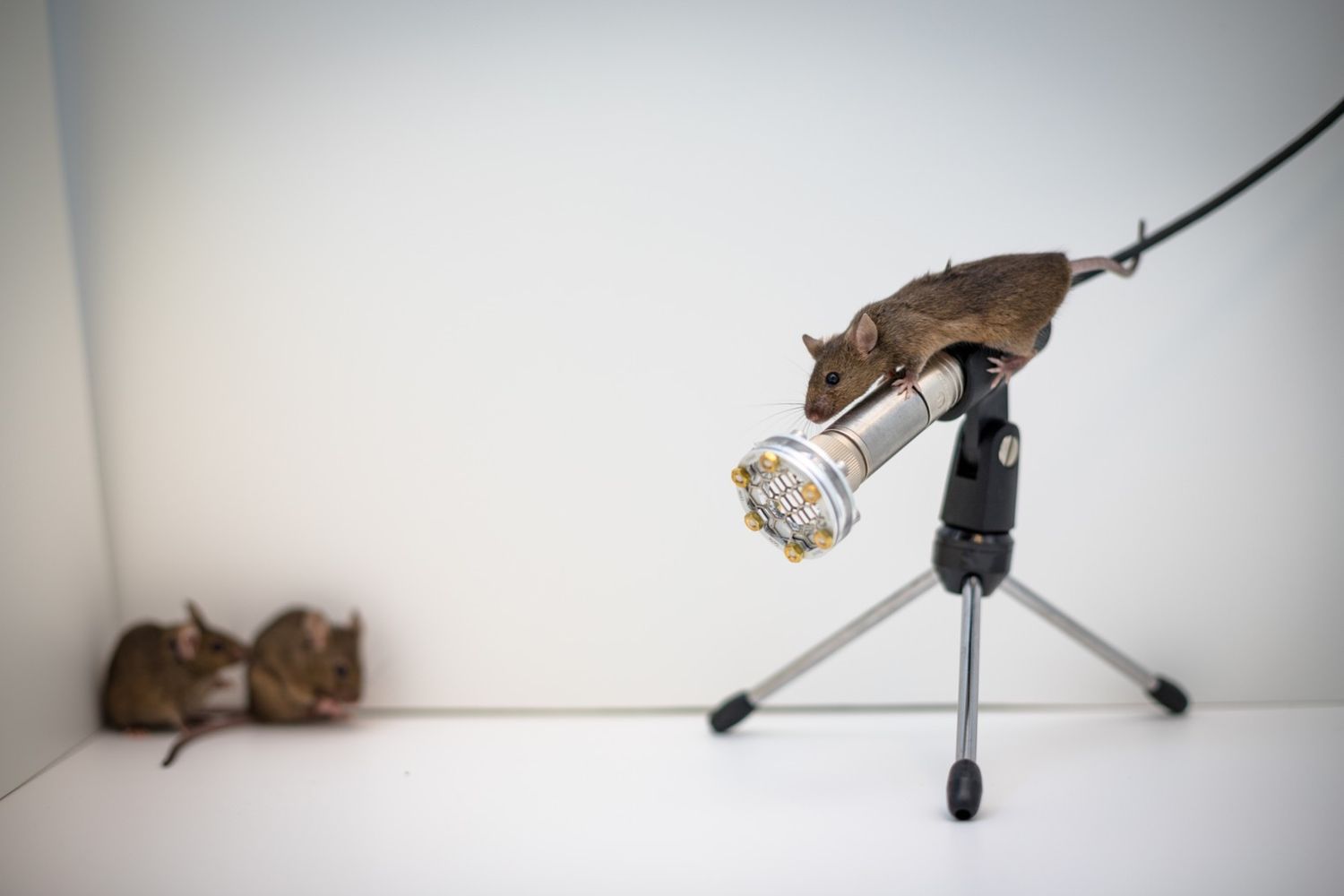
Biologists who are interested in animal communication are often drawn towards the obviously gregarious species: the melodic songbird, the playful dolphin or the wise ape. However, back in the 1950s, in short succession, two brief articles described the finding that mice and rats were able to emit a range of sounds beyond the range of human hearing, so-called ultrasonic vocalisations, or USVs[1],[2].
Scientists first described ultrasounds made by pups in the first few weeks of their life when separated from the dam and their littermates, comparing them to “whistles of abandonment” that triggered the mother to collect her pup. In the 1960s studies described USVs produced by adult rodents[3], and they have since been observed in mice living in complex demes[4] and rats living in large colonies[5].
Reports of adult females emitting such signals together emerged only later (1985)[6], while juveniles were not investigated until later still (1996). Playful young rats are highly vocal[7] and will emit a large quantity of USVs while being tickled by a familiar human handler.
It has since been found that other rodent species, including solitary hamsters, eusocial naked mole rats, monogamous prairie voles, and family groups of mole voles and African striped mice also produce USVs. The dense social networks formed by living in groups mean that rodents are surprisingly sensitive to social hierarchy and must learn the pecking order that determines how they interact with each other.
These acoustic signals are emitted above the human hearing frequency range (typically around 20,000Hz in healthy adults), with varying degrees of complexity in their acoustic structure (for example, duration, frequency modulations and jumps, and harshness). They are emitted by adult rodents during a range of behaviours within their own species, but also when interacting with other species. Together, these findings have prompted scientists to try to better understand the previously neglected world of rodent cries, songs and laughter.
Muroid mumblings
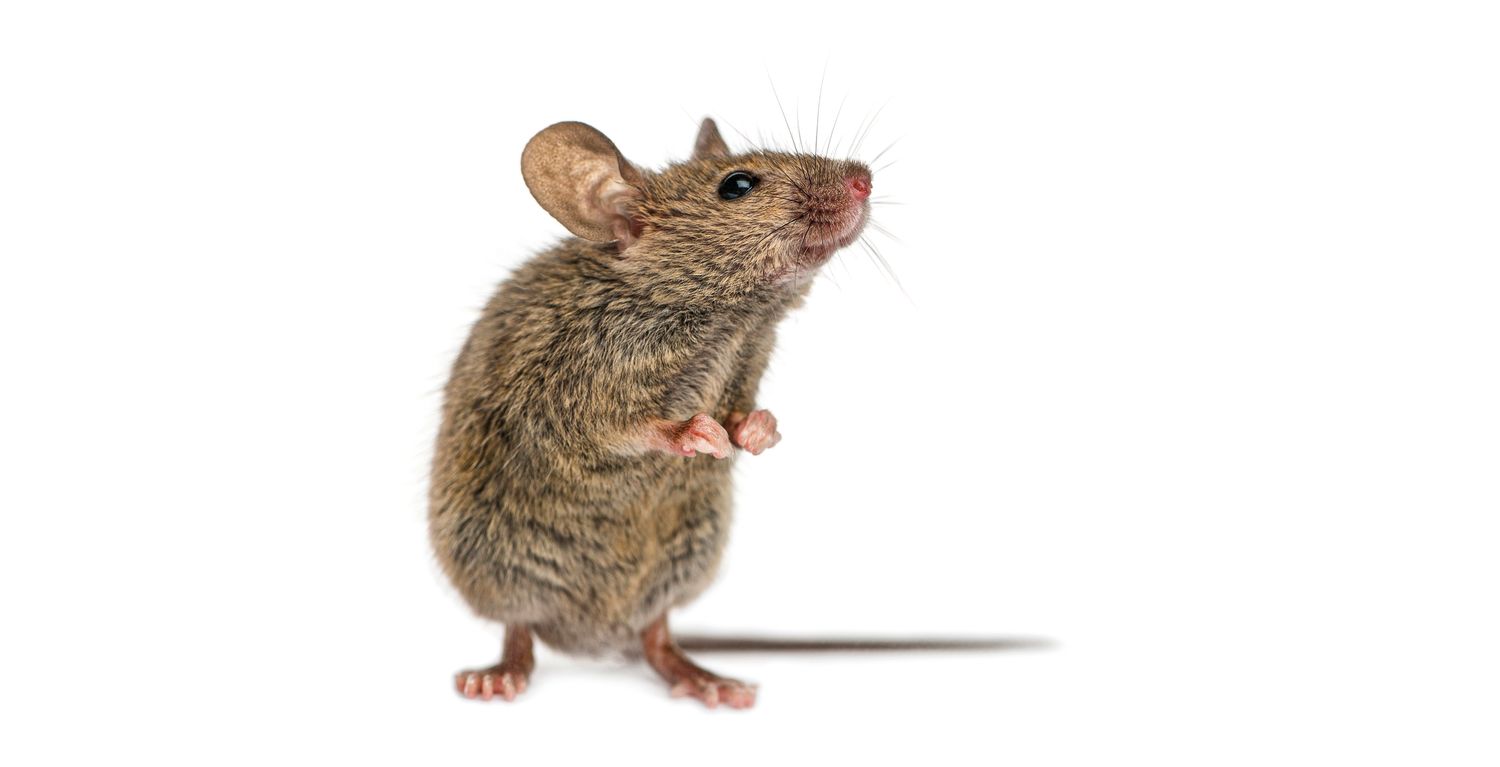
Evolutionarily, mice and rats are further apart than we are from chimpanzees, and there are notable differences in their vocal repertoires. In mice, the males produce ‘love songs’ – a series of structured calls – to court a female, whereas rats do not.
Rats have distinctive calls that can serve to signal danger to others, whereas mice seem to emit alarm-like calls only when stressed. And while juvenile rats emit a large quantity of USVs while being tickled by a familiar human handler, this is not – yet – seen in mice or hamsters except for selectively bred, tamed mice.
Initially, researchers wondered whether the USVs were simple, innate reflections of how the animal was feeling – much like how we might gasp or laugh – rather than a more flexible form of communication. However, we now appreciate that the pattern of USV call types, as classified by their acoustic waveforms, can change with the experience of an individual.
Specialised speakers can play back ultrasonic frequencies so researchers can test the reactions of animals hearing the USVs, while recording and playback experiments have revealed the many vital functions for which vocalisation plays a previously unappreciated role: in maternal care, aggression, alarm signalling, play, courtship and collaboration.
Developing mouseTube
Mice and rats are the two most commonly studied species in biomedical research. Given their sociability, they are frequently used in research on neuropsychiatric conditions affecting social communication such as autism spectrum disorders.
While simple differences in the abundance and acoustic structure of USVs can be compared across different genetic models, knowledge about their function in social interactions remains scarce. Indeed, where variations between genetically modified and control animals have been detected and reported, it begs the question: what is their exact biological meaning and how have they been affected by the disease or treatment? To answer this question the functions of USVs first need to be clarified.
This has led scientists to search for a ‘Rosetta stone’ framework that might help to decode rodent communication.
Ey’s team hoped that the creation of large, open data sets could help reduce animal numbers in research data
To decipher the mystery of USVs we need to gather huge amounts of data to challenge hypotheses and cross-validate findings about these calls in their behavioural context. Elodie Ey, freshly recruited as a postdoctoral researcher at the Institut Pasteur after her PhD on the bioacoustics of wild baboons, began gathering hundreds of recordings of these inaudible signals from mouse models of genetic variants found in autism spectrum disorder. Her team, directed by Professor Thomas Bourgeron, hoped that the creation of large, open and well-described data sets could help reduce animal numbers in research.
Access to multiple data sets allows patterns to be detected on another scale (for example, different vocal signatures across different strains) without needing to run experiments directly comparing them (in what are typically small and practical samples). Existing research questions about syntax or the influences of context may be answered using existing data, without needing to collect more.
The idea of making all this data available to the community emerged in 2012, but the practical solution came with the suggestion of biologist and developer-engineer Nicolas Torquet (known for his vast collection of human vocalisation recordings covering death metal, technical death metal, brutal death metal, technical brutal death metal and other such genres). Nicolas proposed the organisation of the data and metadata within a new and open database and mouseTube was born.
The first version of mouseTube went online in 2014. It provided links to recordings of mice, and all corresponding metadata, to allow the study and reuse of these files. The organisation by strain, sex, protocol or owner enabled scientists to find recording files to compare with their own files or to test detection algorithms. Users were also encouraged to upload their own files to share with the community[8].
In 2022 Ey and Torquet met Emma N Cahill, a behavioural neuroscientist (and budding rat whisperer) keen to extend mouseTube to also include rat vocalisations. Mice have long been the preferred rodent model for studies that focus on genetics, but rats are typically more capable of performing complex cognitive tasks. The trio obtained a grant from the French Centre for the 3Rs (FC3R) to develop the second version of mouseTube.
Decoding animal codas
Machine learning and AI are at the forefront of efforts to decode the ‘language’ of a range of species and animal groups.
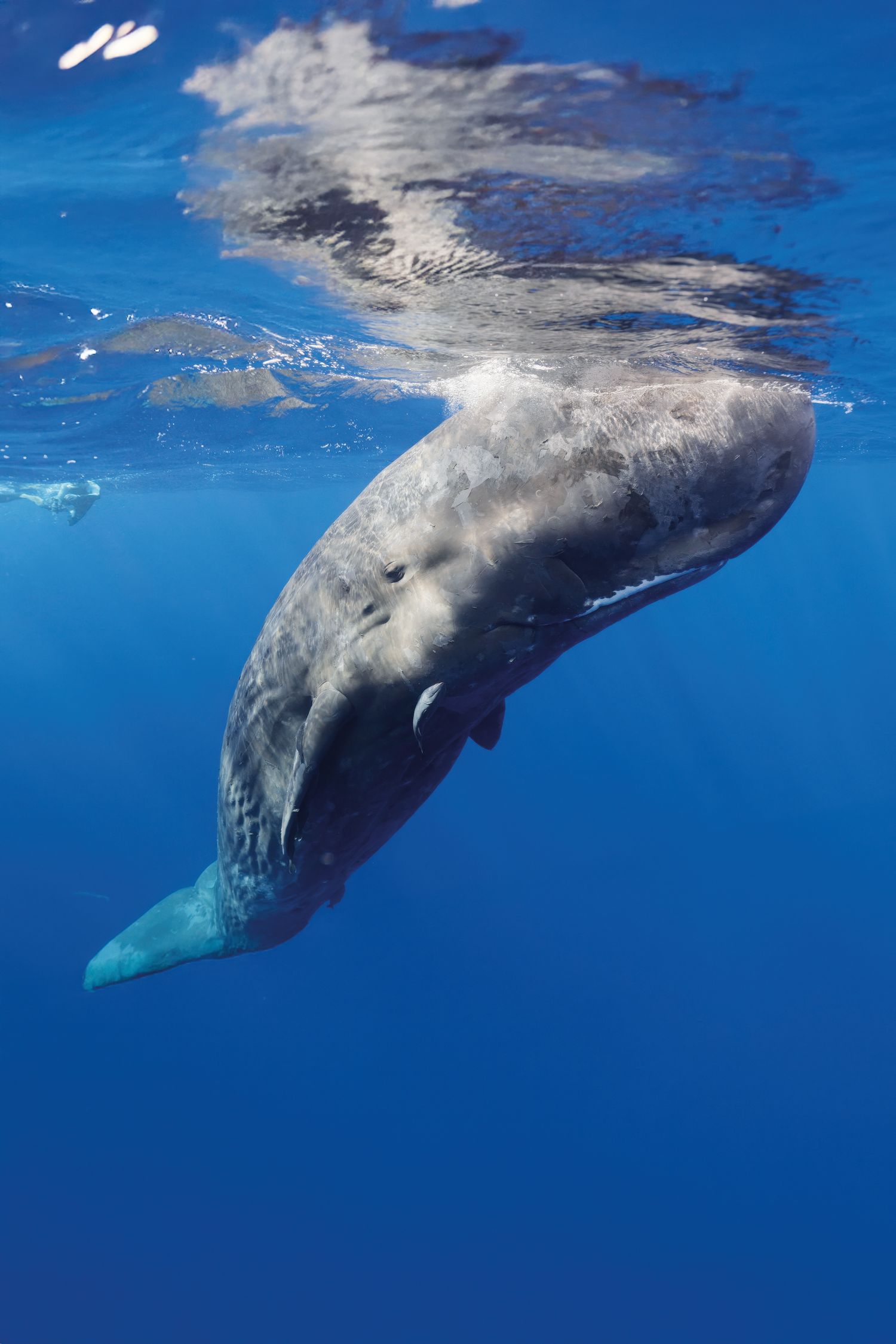
● Analysis of thousands of hours of recordings of sperm whales suggested that the animals have many distinct codas made up of rapid, rhythmic clicks, which scientists believe are equivalent to our phonetic alphabet. Combining this large repertoire of sounds would enable the whales to convey much richer information than previously thought.
● Researchers at Colorado State University, US, believe that elephants call each other by distinct ‘names’ that they invent for fellow members of their group, following machine-learning analysis of elephant ‘rumbles’ recorded over decades in Kenyan national parks.
● VeriBark is a commercial app that allows pet owners to upload videos of their animals. An AI-powered algorithm uses ‘peer-reviewed ethograms’ to generate an interpretation of what a dog may be expressing, based on its vocalisations and body language, along with a confidence level.
● The first $100,000 Coller-Dolittle Prize, given to innovative research that non-invasively helps researchers to communicate with or decipher an organism’s communication, was recently awarded to Dr Julie Elie, from the University of California, US, for her discovery that zebra finches classify their calls more according to meaning than acoustics. Other finalists included research aiming to crack the code of language in chimpanzees, bonobos and wild mice.
MouseTube 2.0 now extends to USVs from other rodent species, and the system helps researchers add clear and useful metadata when uploading recordings, meaning others can find relevant recordings with a keyword search. The core structure can even be copied to build databases for other species (anyone for a cetaceanTube, primateTube or batTube?).
They added a public page to communicate the latest news on rodent USVs, and as an increasing number of pet owners have equipped themselves with ultrasonic ‘bat detectors’ to listen to their rats and mice, the number of contributors to the database has grown beyond academic groups.
What the future holds
Inviting scientists to share USVs from distinct species will undoubtedly facilitate interspecies comparative studies to help unravel the organisation and evolution of communication, while hopefully limiting the number of animals used in such studies. MouseTube also has a catalogue of the most common recording and analysis software solutions. Software applications have grown in recent years to include a range of AI deep-learning algorithms that can segment out signals that are potential USVs from recordings and classify them based on the physical properties of the call (for example, DeepSqueak, USVSEG, RatRec, SASLab Pro and Sonotrack).
When we have more data and can compare across laboratories, we might even start to capture the ‘accents’ within species
Even though animals may not use grammar in their communication like we do, they can convey information through signals that are associated with particular circumstances. Current AI tools segregate potential elements based mostly on signal properties, but with larger data sets (and better training of AI models) any regularities in the bioacoustic properties of the calls will be gleaned from across distinct recording contexts and distinct individuals.
The extent to which a USV repertoire is idiosyncratic to an individual remains open to debate, but longitudinal recordings and advances in the localisation of USVs will reveal this in time. It is possible that when we have more data and can compare across laboratories, we might even start to capture the ‘accents’ within species based on their strain (breed).
Gradually, the research community will be able to infer the relevance of USVs by placing them in their behavioural context and, like a Rosetta Stone, this will eventually help researchers to decode the meaning of rodent USVs.
Emma N Cahill is a senior lecturer in neuroscience at the University of Bristol researching how social factors influence the processing of emotional memories in the brain.
Elodie Ey is a researcher at the Institut de Génétique et de Biologie Moléculaire et Cellulaire (IGBMC), Illkirch, France.
Nicolas Torquet is a developer-engineer at the PHENotypage et Ingénierie préClinique des Systèmes d’organismes modèles rongeurs (PHEN-ICS), who combines computing and biology to refine measurements of rodent social and individual behaviour.
This article was first published in the print issue of The Biologist, the RSB's award-winning membership magazine. Subscribe by becoming a member today.
References
1 Anderson, J.W. The production of ultrasonic sounds by laboratory rats and other mammals. Science 119, 808–809 (1954).
2Zippelius, H.M. & Schleidt, W.M. Ultrasonic vocalisations in young mice. Naturwis. 43, 502 (1956).
3Sewell, G. Ultrasound in rodents. Nature 217, 682–683 (1968).
4Jourjine, N. et al. Vocal communication is seasonal in social groups of wild, free-living house mice. Proc. Biol. Sci. 292(2049) (2025).
5Blanchard, R. J. et al. Twenty-two kHz alarm cries to presentation of a predator, by laboratory rats living in visible burrow systems. Physiol. Behav. 50, 967–972 (1991).
6Maggio, J.C. & Whitney, G. Ultrasonic vocalising by adult female mice (Mus musculus). J. Comp. Psychol. 99(4), 420–436 (1985).
7Knutson, B. How we stumbled upon the rat play vocalisations: A recollection. Behav. Brain Res 495, 115773 (2025).